By Bowei Intelligent · For system integrators, retail IT, and loss-prevention teams
In retail stores, supermarkets, and warehouse exits, an RFID gate has two jobs at once: identify tagged items fast, and avoid both false alarms and missed detections. Traditional RFID gates can only tell whether an EAS-enabled tag is inside the read zone—they struggle to tell whether a tag is walking out, walking in, lingering, or just passing through.
Phase-switching technology fixes this. By dynamically adjusting the phase of the antenna's transmitted signal, it builds a controllable "phase-gradient field" across the doorway. As a tag moves through different phase zones, the system reads how its signal changes and reconstructs the tag's direction and trajectory—turning a simple alarm into a reliable, direction-aware anti-theft system.
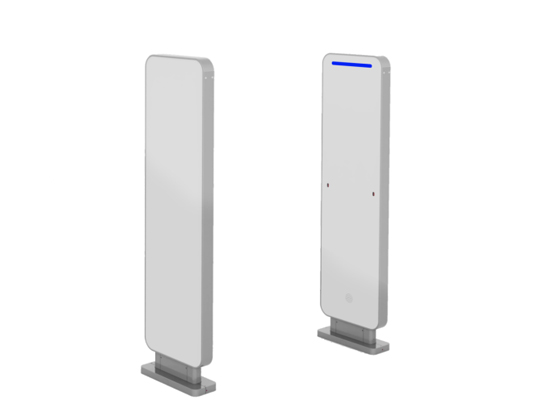
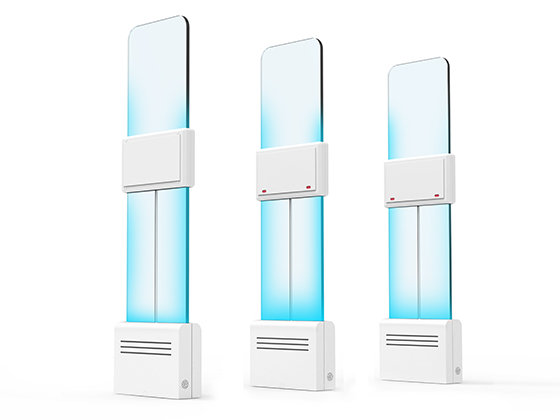
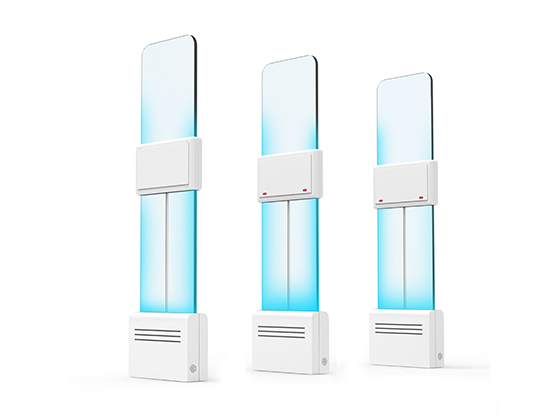
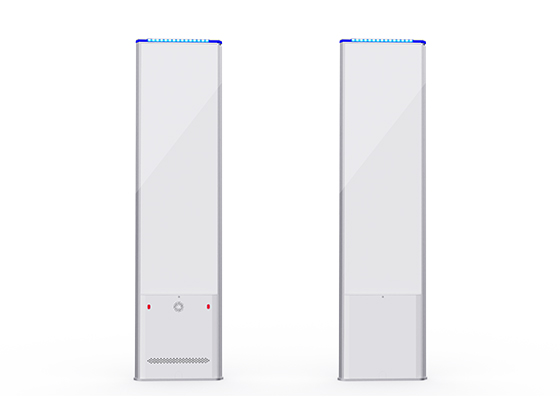
Bowei Intelligent (Shenzhen) integrates phase-switching deeply into its RFID gate-antenna designs. This article breaks the technology down systematically: the bottleneck of legacy gates, how phase-switching works, its four core advantages, a reference implementation, and the most common questions we hear from integrators.
1. Why Traditional RFID Gates Fall Short
Legacy RFID anti-theft logic is simple: the reader continuously emits RF, reads the EAS bit on any tag in the zone, and sounds the alarm if an EAS-enabled tag is detected. That simplicity creates three bottlenecks.
1.1 No Direction Detection
A traditional gate only knows whether a tag is in range—not whether it moved from inside to outside, or outside to inside. The result:
-
Shoppers who try on clothes right at the doorway trigger the alarm repeatedly.
-
Shoppers who pause at the entrance keep the alarm ringing.
-
An item put back inside the store and taken out again can't be reliably distinguished from a real exit.
1.2 High False-Alarm Rate
In busy or awkward layouts, false alarms come from many sources:
|
False-alarm source
|
When it happens
|
Traditional gate behavior
|
|
Lingering at the entrance
|
Shopper browses near the gate
|
Continuous false alarm
|
|
Back-and-forth movement
|
Shopper returns after trying items
|
Repeated false alarms
|
|
Tag orientation changes
|
Items sit at random angles in a bag
|
Signal-fluctuation false alarm
|
|
Metal interference
|
Carts, metal door frames reflect signal
|
"Ghost read" false alarm
|
|
Multiple people at once
|
Peak-hour crowding
|
Signal-overlap false alarm
|
1.3 Anti-Theft and Inventory Don't Share a Tag
In legacy setups, anti-theft uses single-use EAS tags while inventory uses RFID tags. Running two tag systems side by side raises both cost and management complexity.
2. How Phase-Switching Works
2.1 Core Principle
The core idea: dynamically adjust the phase of the antenna's emitted signal to form a controllable phase-gradient field across the passage. As a tag passes through zones with different phase settings, the system uses the resulting phase change to determine the tag's direction and speed.
The read sequence looks like this:
-
Antenna emits at Phase A → tag is on the inner side of the passage → signal read.
-
Antenna switches to Phase B → tag moves to the middle → signal read.
-
Antenna switches back to Phase A → tag reaches the outer side → signal read.
-
System interprets the phase-change sequence → concludes the tag is exiting.
-
System checks the EAS bit → if enabled, triggers the alarm.
2.2 Phase-Switching Frequency
The phase-switching rate is typically 10–50 times per second, far faster than a person walking through (~1–2 m/s). That means the system can sample the tag's phase many times within the 0.5–1 second it takes to cross the gate, building an accurate trajectory.
2.3 Direction-Discrimination Algorithm
The system combines four parameters to judge direction:
|
Parameter
|
Meaning
|
Role in direction detection
|
|
Phase-change sequence
|
A→B→A or B→A→B
|
Baseline: A→B→A = exiting, B→A→B = entering
|
|
RSSI change
|
Strong→weak or weak→strong
|
Distance estimate; helps judge approaching vs. receding
|
|
Doppler shift
|
Positive = approaching, negative = receding
|
Speed estimate
|
|
Time sequence
|
Time gap between two reads
|
Speed-based judgment
|
3. Four Advantages of Phase-Switching Gates
3.1 Precise Direction Detection — False Alarms Down ~90%
|
Metric
|
Traditional gate
|
Phase-switching gate
|
|
False-alarm rate
|
5–12%
|
≤ 0.3%
|
|
Direction accuracy
|
Not supported
|
≥ 99%
|
|
Lingering-at-door false alarm
|
Frequent
|
Does not trigger
|
|
Back-and-forth false alarm
|
Frequent
|
Does not trigger
|
3.2 Anti-Theft + Inventory on One Tag
A single RFID tag now does both jobs:
-
Goods received → apply RFID tag with EAS enabled.
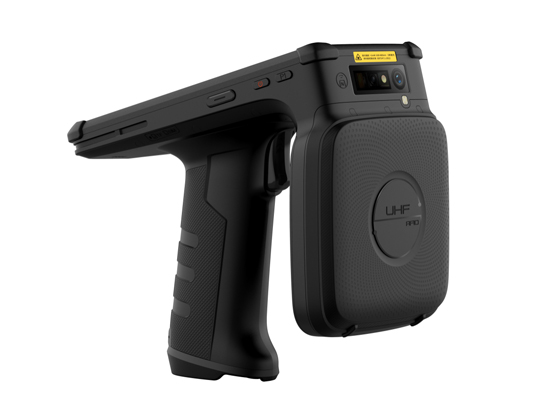
-
Daily cycle count → handheld reader inventories the tags.
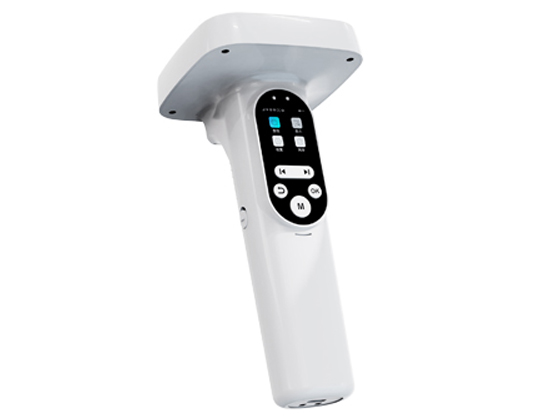
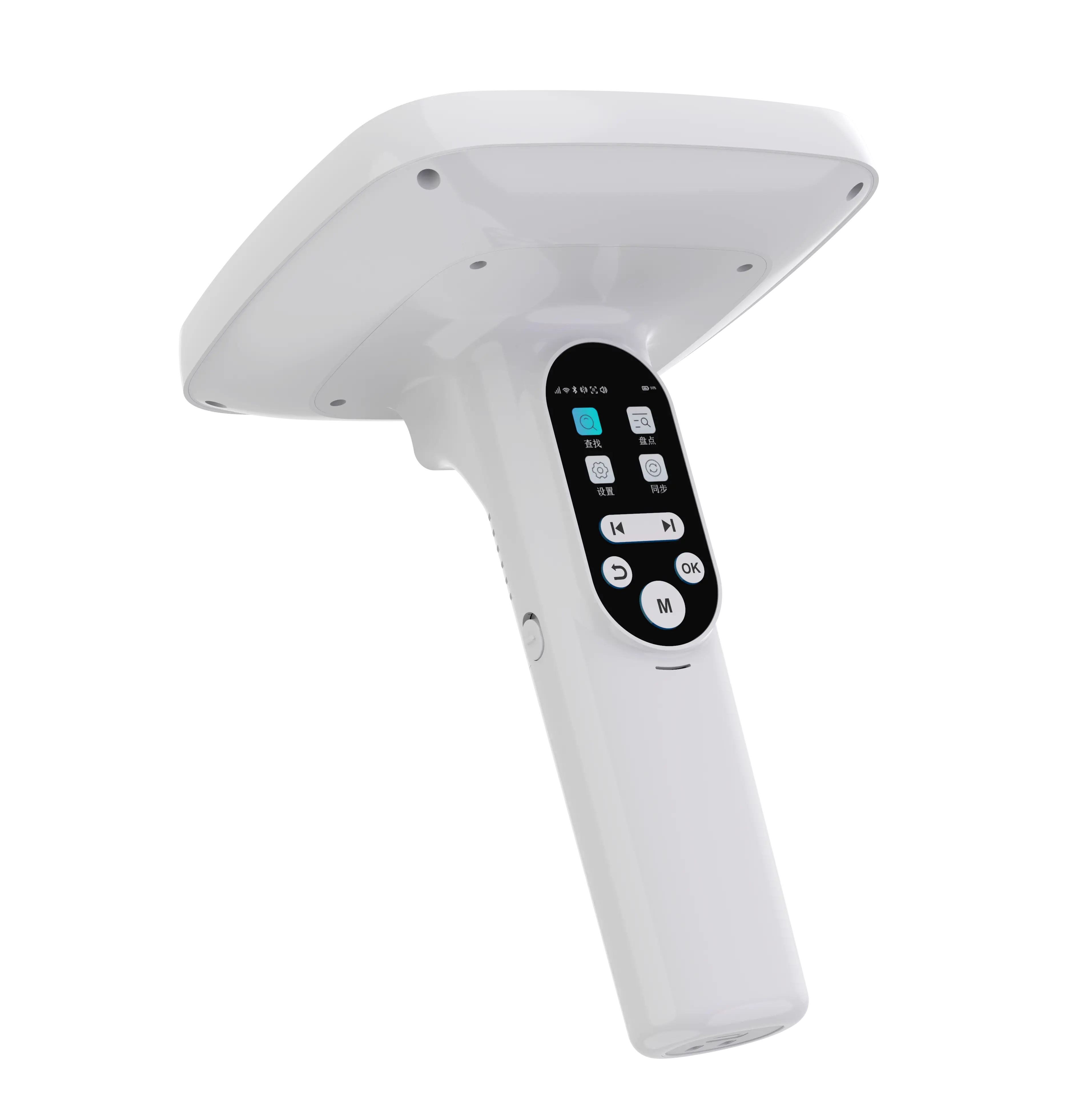
-
At checkout → POS disables the EAS bit.
-
Passing the gate → phase-switching judges direction and checks EAS.
-
Tag reuse → EAS bit can be re-enabled for the next cycle.
3.3 Built for Complex Scenes
|
Complex scene
|
Traditional gate
|
Phase-switching gate
|
|
Multiple people at once
|
Overlapping signals, can't separate
|
Identifies each tag's direction individually
|
|
Goods staged near the gate
|
Frequent false alarms
|
No trigger; judged as "not exiting"
|
|
Shopper tries on at doorway
|
Continuous alarm
|
Judged as "lingering," no alarm
|
|
Shopper carries many items
|
Possible missed reads
|
Batch-reads and judges each one
|
3.4 Simpler Deployment and Tuning
Traditional gates must be re-tuned for each site—shelf layout, traffic flow, tag orientation, and so on. Phase-switching relies on the tag's trajectory rather than purely on environmental parameters, so it behaves consistently across different sites and is far closer to "install and run."
4. Reference Implementation
4.1 Hardware
|
Component
|
Specification
|
Bowei recommendation
|
|
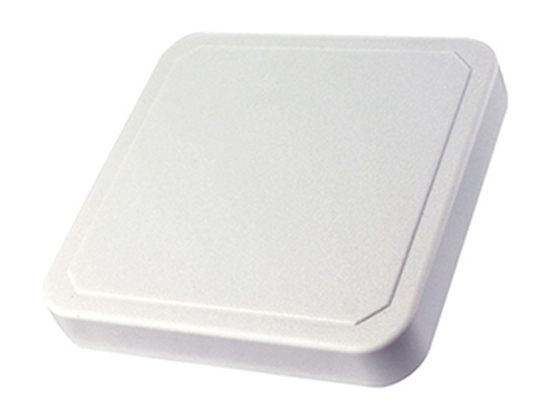
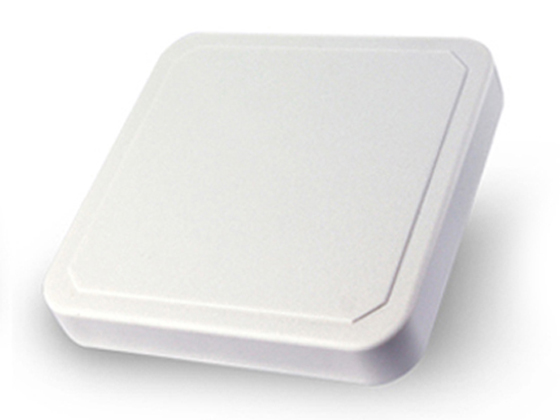
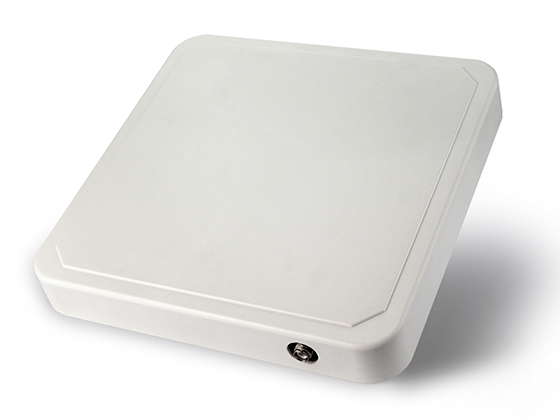
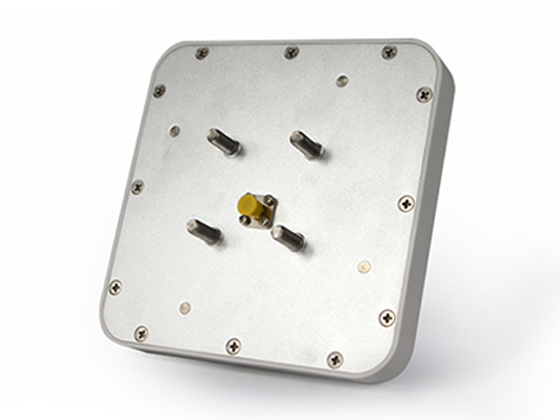
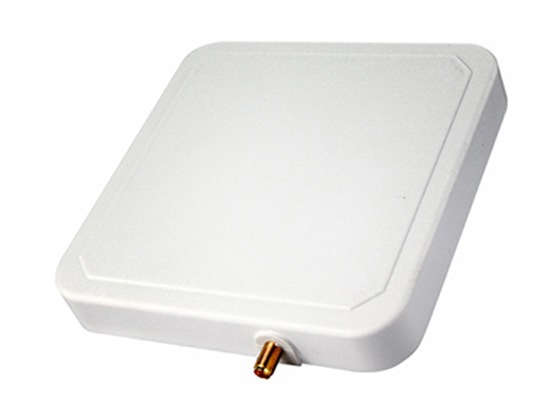
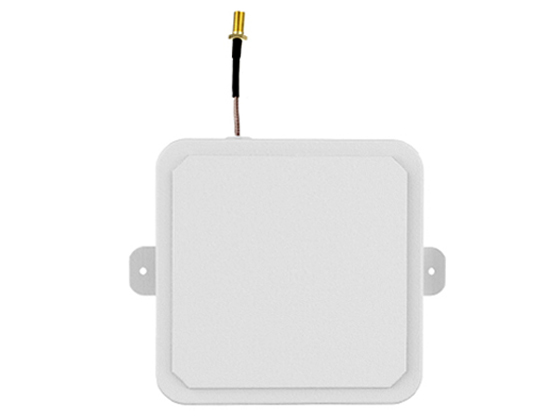
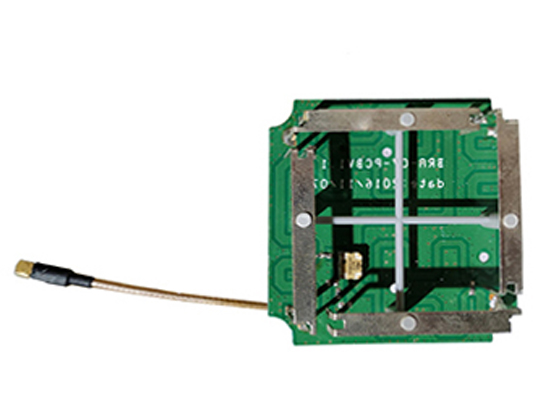
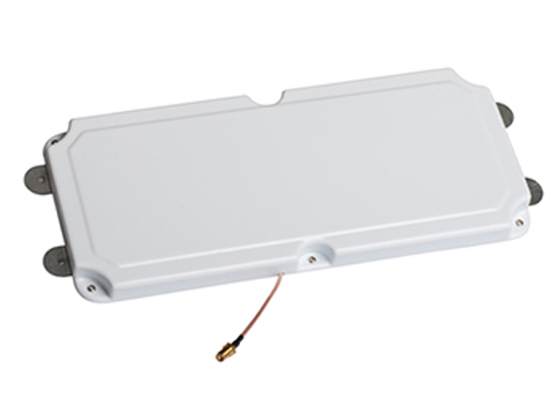
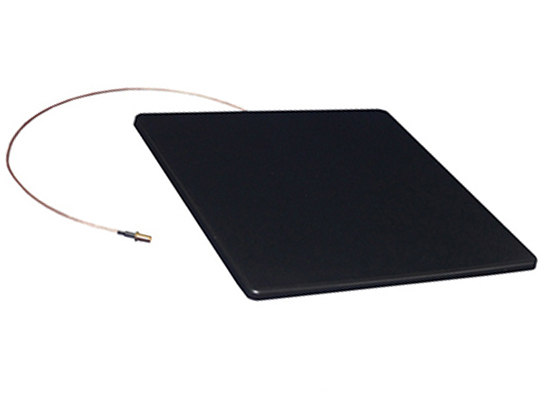
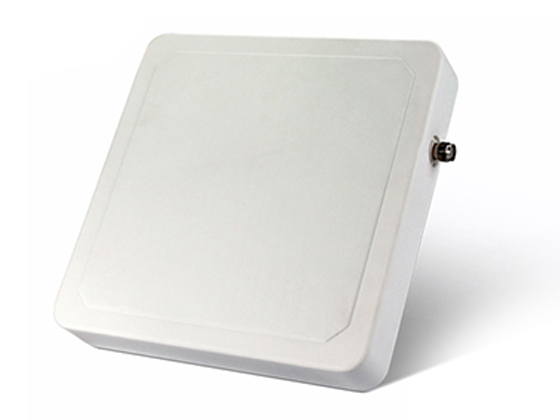
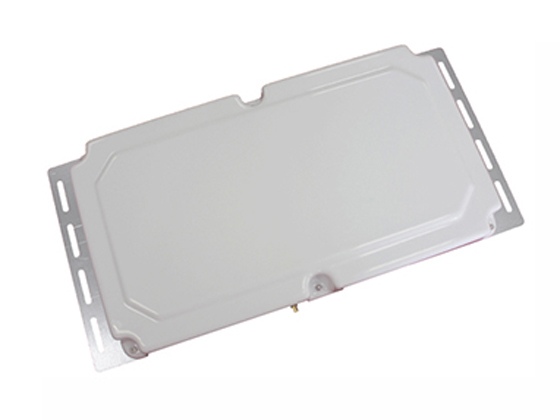
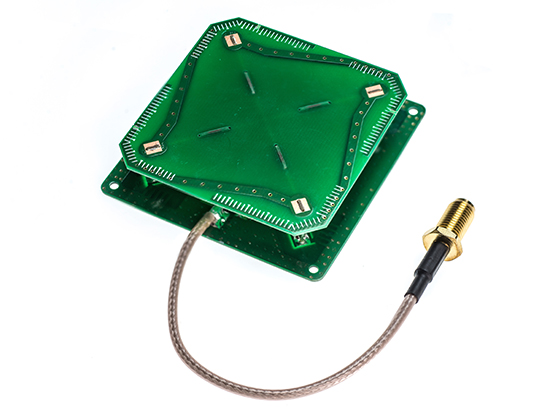
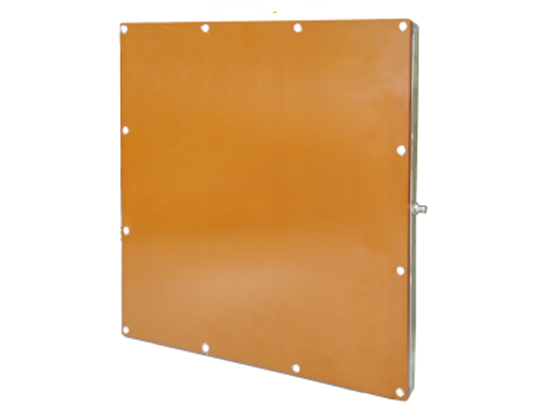
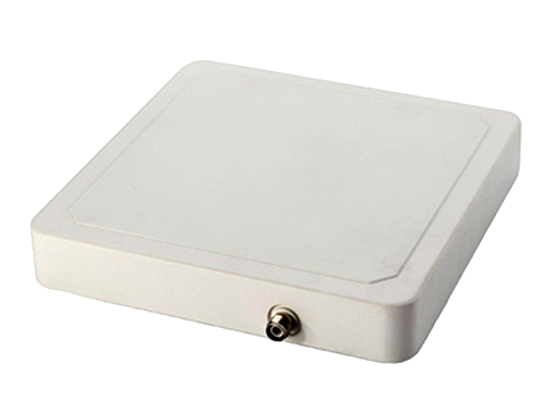
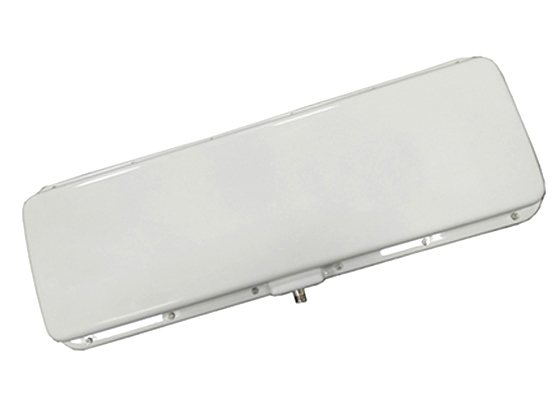
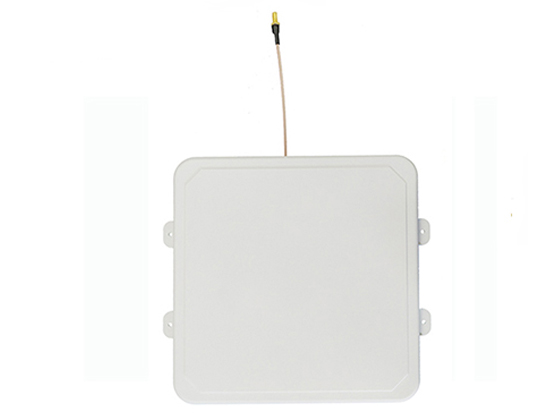
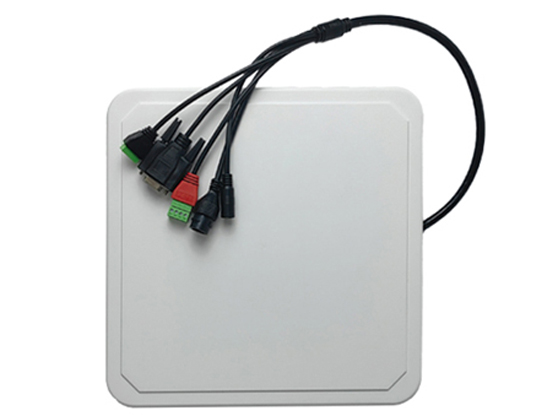
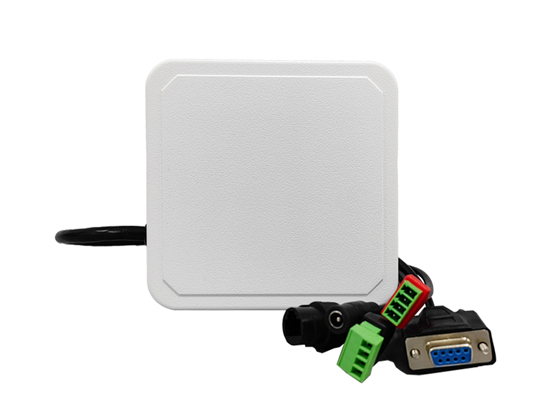
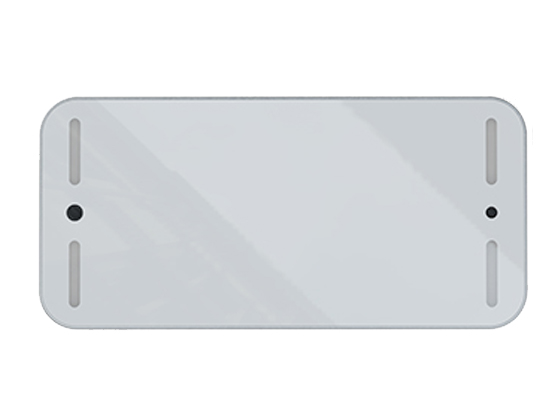
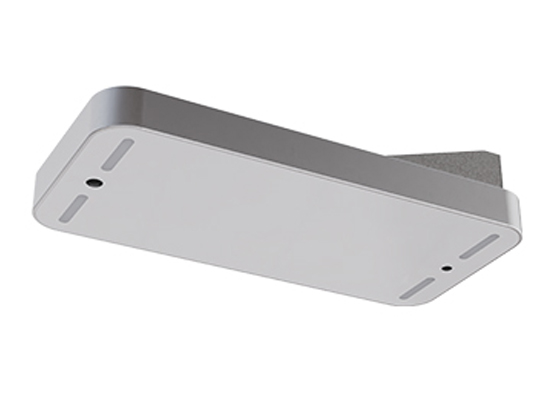
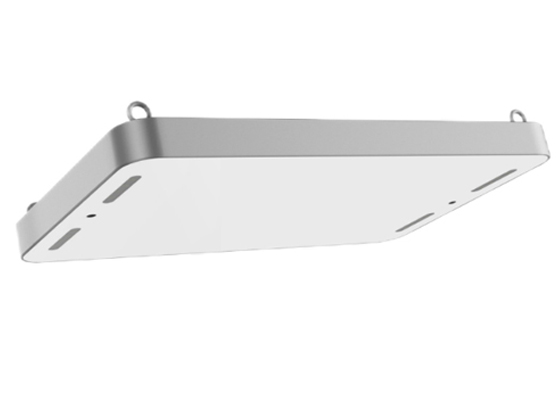
Gate antenna
|
Circular polarization, narrow beam (40°–60°), 6–9 dBi
|
BRA-08 / BRA-31
|
|
Reader
|
Supports phase-switching, 4+ ports
|
Compatible with mainstream brands
|
|
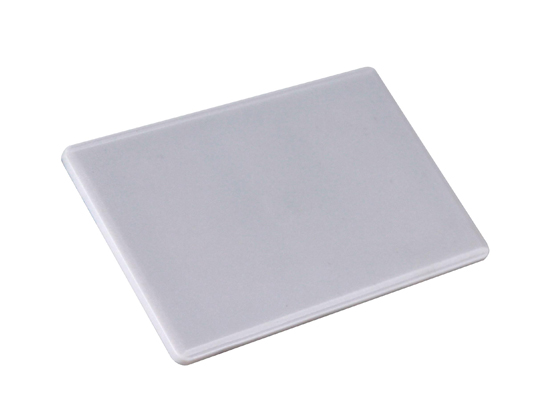
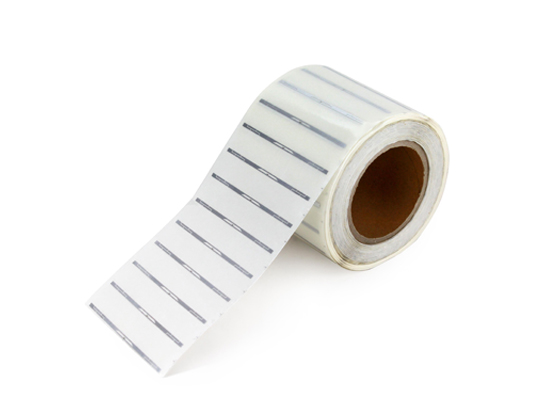
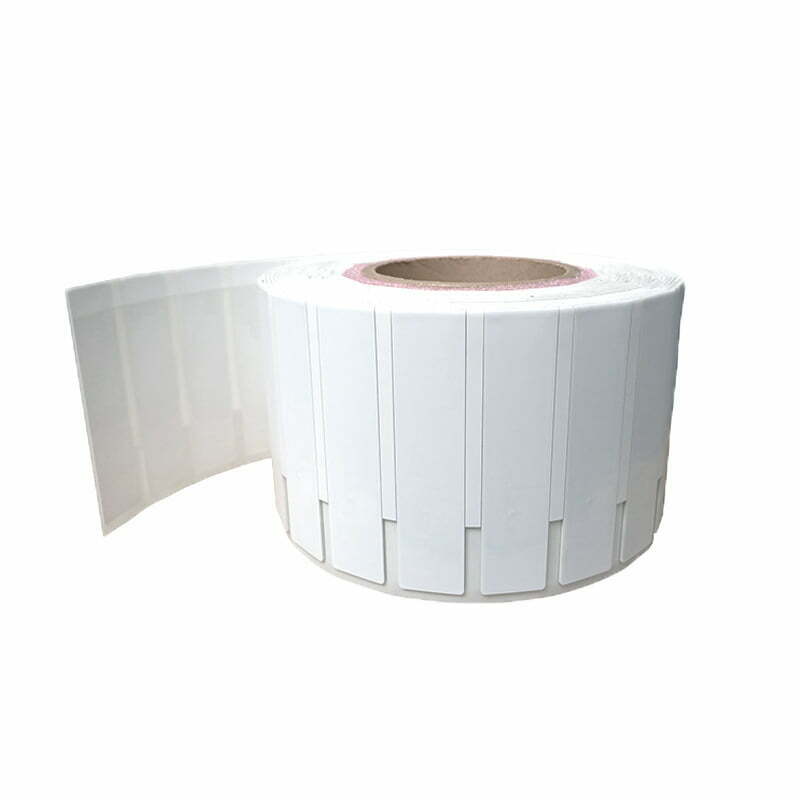
RFID tag
|
ISO 18000-6C, EAS-bit capable
|
UHF flexible label
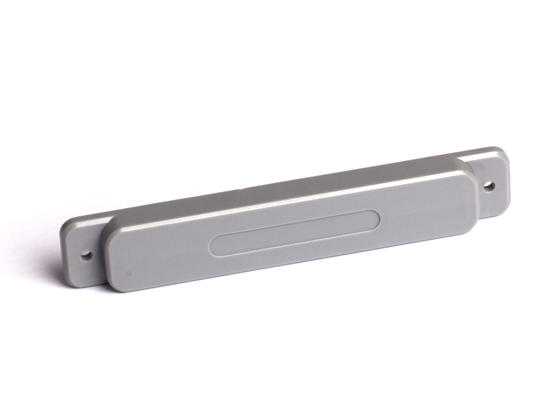
|
|
Audiovisual alarm
|
Adjustable volume / blink rate
|
Standard module
|
4.2 Antenna Deployment
-
Scheme A — Opposing side-mounted antennas: Two antennas mounted at a 45° crossing angle create a cross-polarized coverage zone; phase-switching alternates between the two sides.
-
Scheme B — Top-mounted single antenna: A ceiling antenna covers the passage from above and builds a vertical phase-gradient field. Best for spaces where side mounting isn't practical.
4.3 Software Parameters
|
Parameter
|
Recommended
|
Notes
|
|
Phase-switching frequency
|
20 / sec
|
Balances accuracy and performance
|
|
EAS detection mode
|
Reusable mode
|
Supports tag reuse
|
|
Alarm delay
|
0.5 sec
|
Avoids instantaneous misjudgment
|
|
Direction threshold
|
3 phase samples
|
Ensures trajectory reliability
|
|
Power
|
30 dBm
|
Enough to cover the passage
|
5. Phase-Switching vs. Traditional Approaches
|
Dimension
|
Phase-switching
|
Traditional RFID
|
Traditional EAS
|
|
Direction detection
|
Yes (trajectory-based)
|
No
|
No
|
|
False-alarm rate
|
≤ 0.3%
|
5–12%
|
2–8%
|
|
Lingering handling
|
No alarm
|
Continuous alarm
|
Continuous alarm
|
|
Anti-theft + inventory
|
Unified
|
Separate
|
Anti-theft only
|
|
Deployment & tuning
|
Install-and-run
|
Repeated tuning
|
Install-and-run
|
|
Tag reuse
|
Supported
|
Supported
|
Not supported
|
|
Maturity
|
Mature
|
Mature
|
Very mature
|
6. FAQ: Phase-Switching Questions Integrators Ask
Q1: Does phase-switching raise hardware cost?
Mostly it's a software/algorithm capability; the only hardware requirement is a reader that supports phase control. Hardware cost rises about 10–15% versus a traditional setup, but with false alarms cut by over 90%, the overall ROI is stronger.
Q2: Do I need special tags?
No. Any UHF RFID tag compliant with ISO 18000-6C works, as long as it supports the EAS bit. Mainstream chips such as NXP UCODE and Impinj Monza both qualify.
Q3: How does it perform on wide passages (over 3 m)?
Wide passages need more antennas. For a 3 m passage we recommend 4 antennas (2 per side); for 5 m, 6 antennas. Bowei Intelligent offers multi-antenna phase-switching designs for extra-wide gates.
Q4: Does phase-switching slow down reads?
The phase-switching rate is 20–50 / sec, while a person crosses in 0.5–1 sec—yielding 10–50 samples per crossing, with no impact on real-time performance. Anti-collision and phase-switching run in parallel for multi-tag batches, adding no extra latency.
Q5: How do I verify it on site?
Run these four checks:
-
Stand at the doorway for 30 seconds → confirm no alarm.
-
Walk back and forth 3 times → confirm no alarm.
-
Carry an unsettled item out → confirm immediate alarm.
-
Carry a settled item out → confirm no alarm.
Pass all four and the phase-switching function is working correctly.
Conclusion
Phase-switching is a meaningful breakthrough in RFID gate anti-theft. By using dynamic phase control to determine tag direction from its trajectory, it resolves the false-alarm problem at its root.
|
Core value
|
Detail
|
|
False alarms ↓ 90%
|
From 5–12% to below 0.3%
|
|
Anti-theft + inventory
|
One tag does both
|
|
Accurate direction
|
Trajectory-based, ≥ 99% accuracy
|
|
Simplified deployment
|
Install-and-run, consistent across sites
|
Bowei Intelligent's full gate-antenna series supports phase-switching and pairs with mainstream readers for a complete smart loss-prevention solution. For product selection, scheme design, or on-site testing support, contact the Bowei Intelligent team.