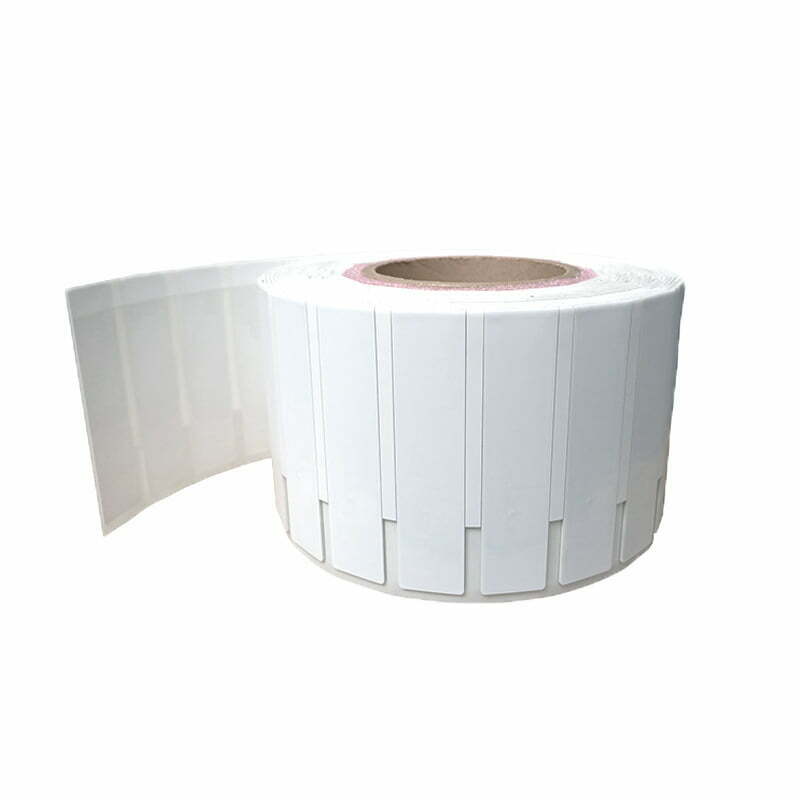
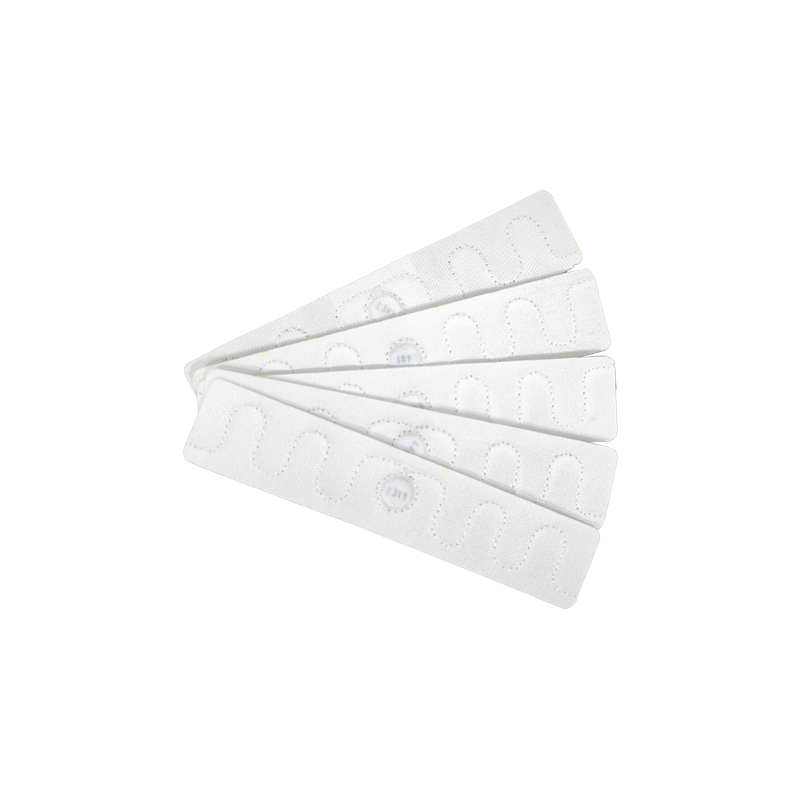
The core value of an apparel-store RFID solution can be measured by three verifiable numbers: stocktaking compressed from 3-4 hours to 15-20 minutes, inventory accuracy raised from the 80% range to above 99%, and shrinkage cut by around 60%. The path is not a pile of single-point devices, but a closed loop of hardware and data across six links - receiving, shelving, fitting, checkout, gate and data operations. This guide breaks down the configuration logic and selection criteria of each link, for retailers of different store sizes.
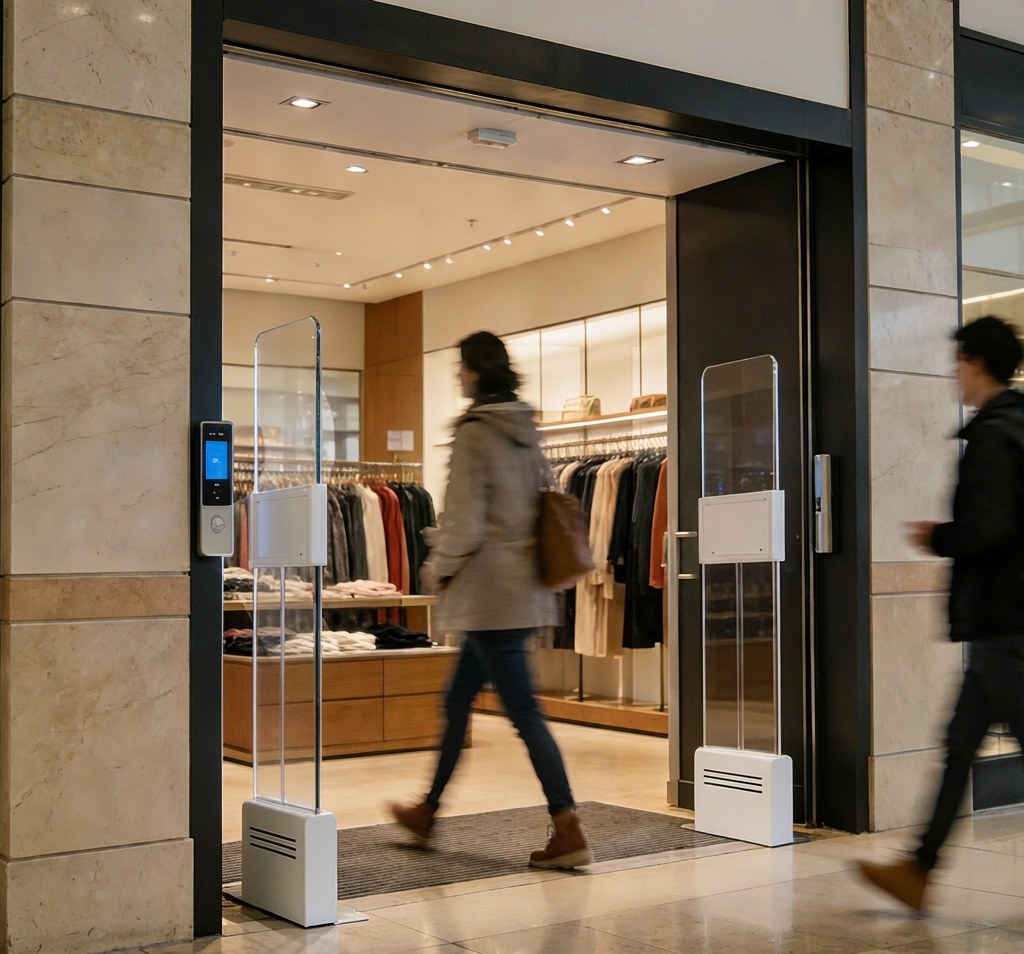
Shoppers passing RFID security gates at an apparel store entrance.
1. Why Now Is the Tipping Point for Apparel RFID
Item-level RFID penetration in global apparel and footwear passed 47% in 2026, with roughly 14.26 billion RFID labels consumed by the retail industry that year. Five years ago, apparel tagging was below 10%; it has now passed 42%. Once penetration crosses the 40-50% band, the tag infrastructure across the upstream supply chain is in place - and the marginal cost of deploying at the store level drops sharply.
Meanwhile, hard numbers from leading retailers are pushing RFID from "optional" to operational baseline:
Suitsupply achieved 99% average inventory accuracy after RFID integration, versus about 95% with manual counting.
River Island runs weekly RFID cycle counts: accuracy above 98%, on-shelf availability over 99%, and total inventory cut by 30-40% without sacrificing availability.
C&A deployed across 1,300+ stores in 17 countries: accuracy jumped from 70% to 95%, and sales grew by more than 5%.
These numbers show that RFID does not deliver marginal improvement - it turns inventory data from a "monthly snapshot" into a weekly/daily, operationally usable asset.
2. The Six-Link Closed Loop and Its Hardware
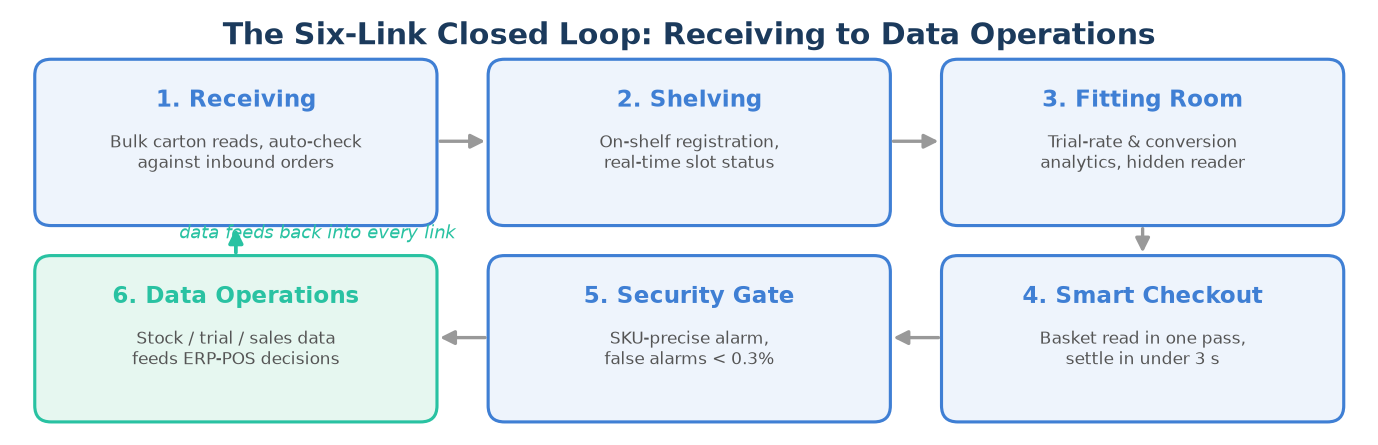
The six-link closed loop: receiving to data operations.
An apparel RFID solution should form a data loop from receiving to the exit gate - a missing link makes upstream data useless downstream:
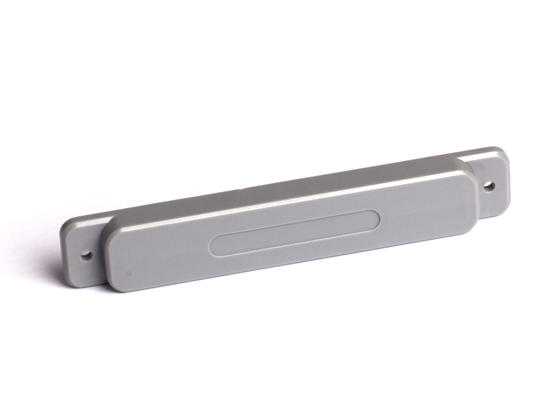
1. Receiving - bulk-read hangtag labels by the carton, auto-check against inbound orders, eliminating item-by-item manual scanning. Hardware: fixed reader + tunnel antennas, read range matched to carton density.
2. Shelving - register new arrivals as on-shelf, providing real-time data for replenishment and item-finding. Hardware: smart-shelf antennas (optional, for high SKU density).
3. Fitting room - measure trial rates and conversion to guide assortment and display. Hardware: concealed embedded reader + antenna, invisible to the shopper.
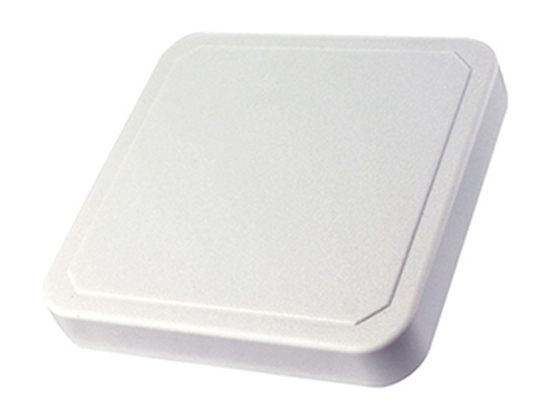
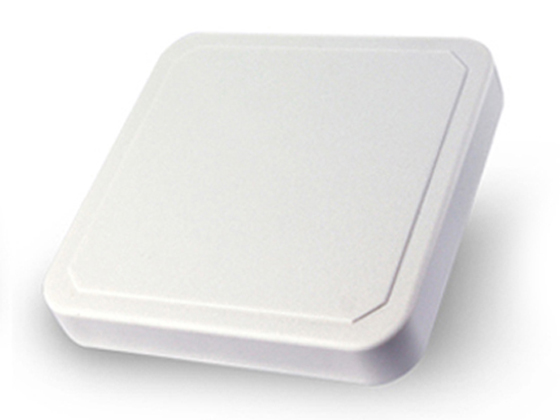
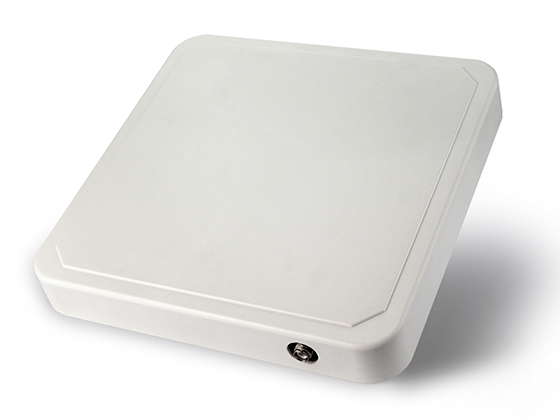
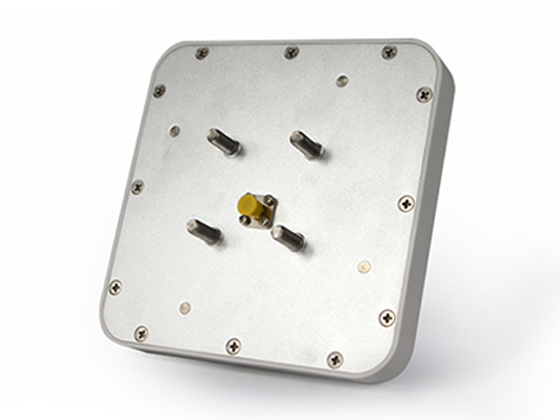
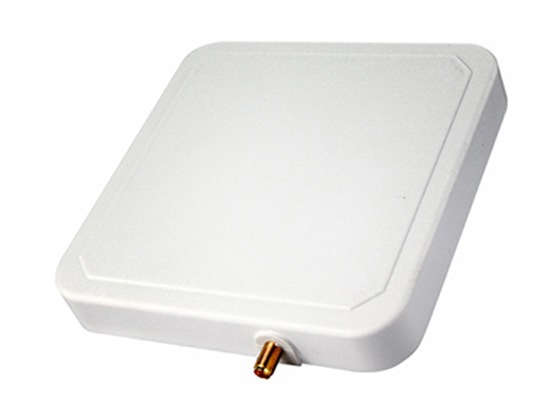
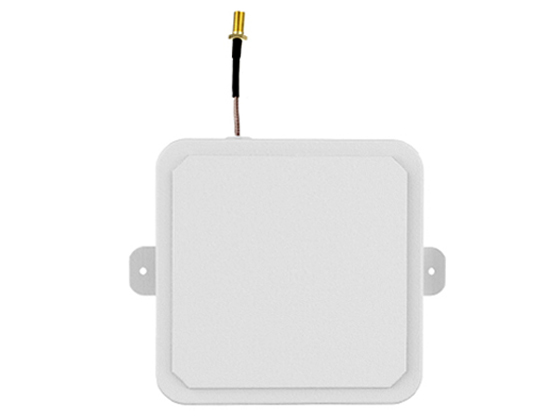
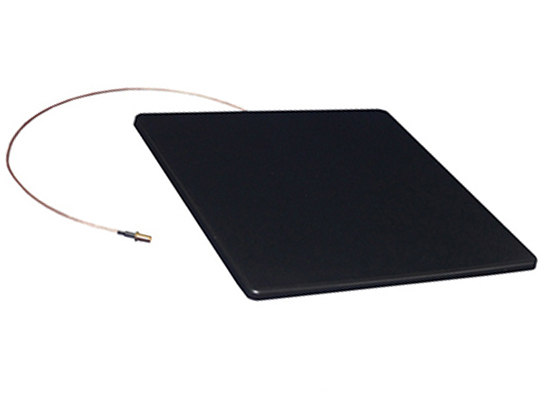
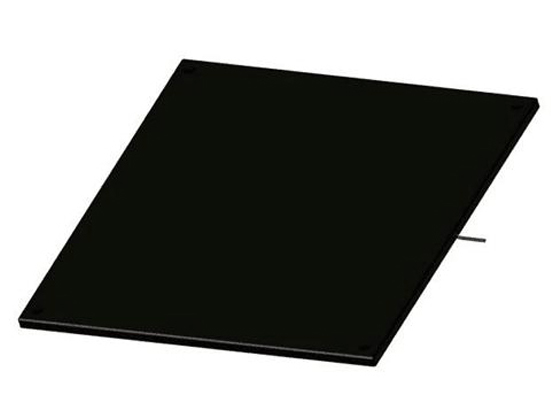
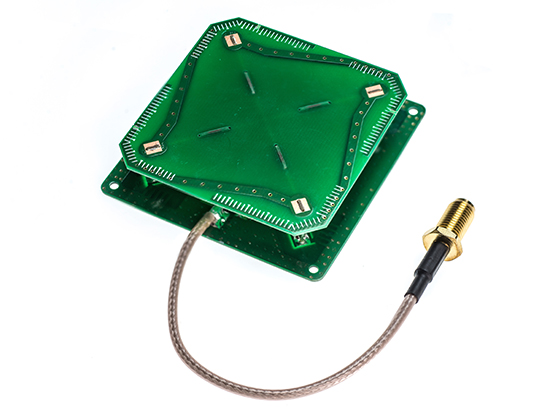
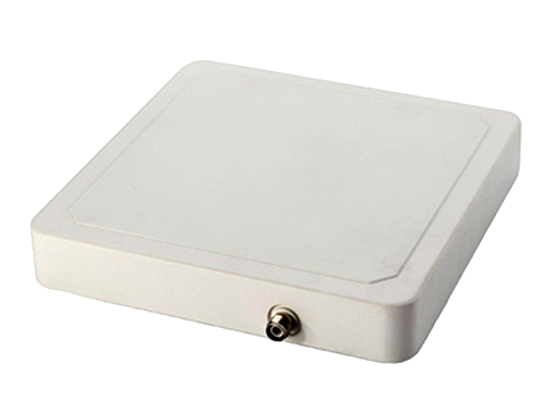
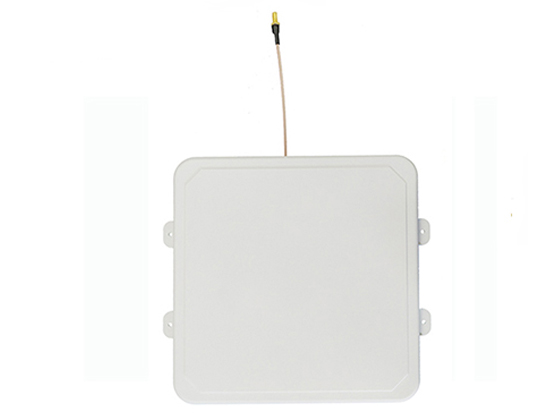
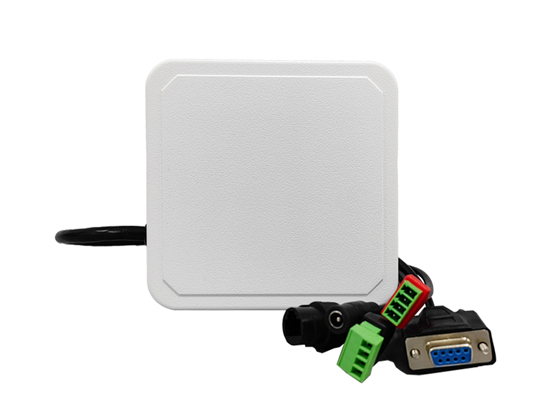
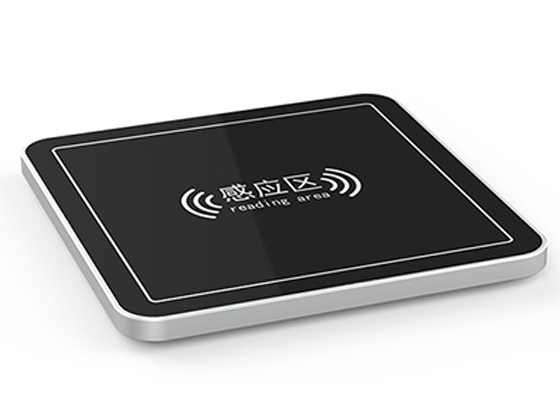
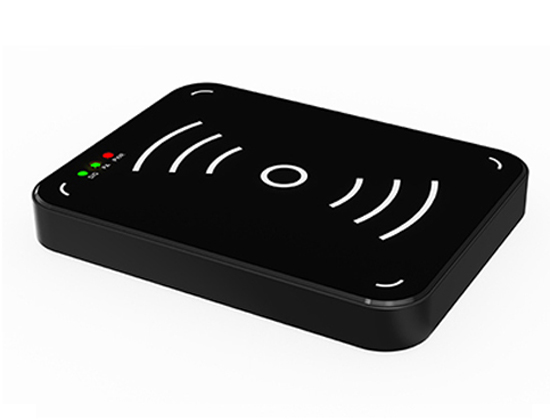
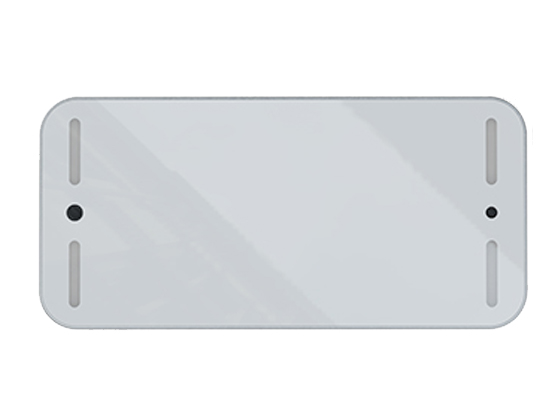
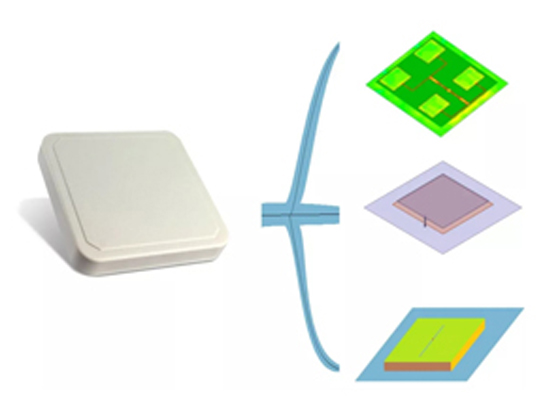
4. Smart checkout - one pass reads all garments in the basket; settlement completes within 3 seconds. Hardware: near-field circular-polarized antenna (e.g. BOWEI BRA-09, 2dBic ultra-wide beam) + desktop reader.
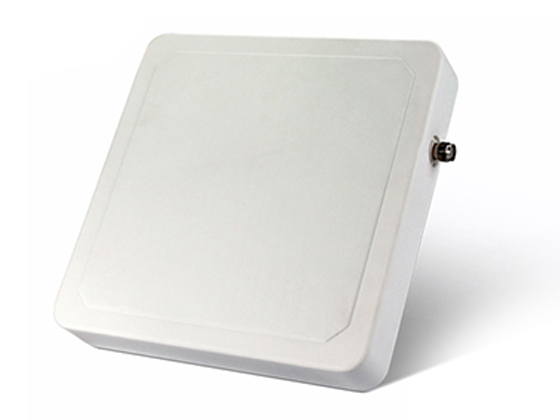
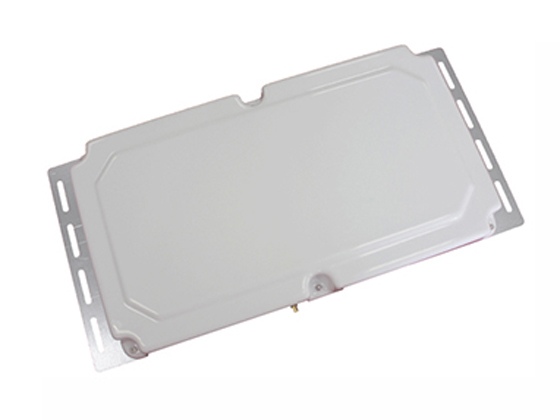
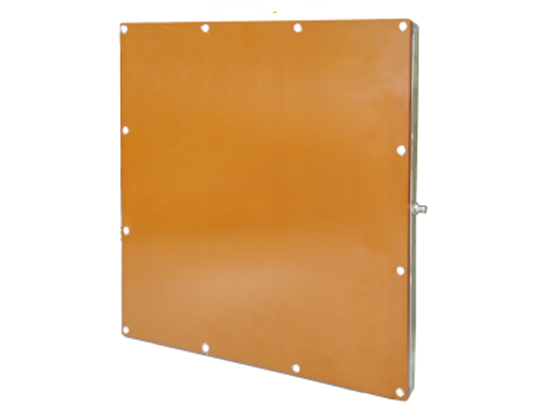
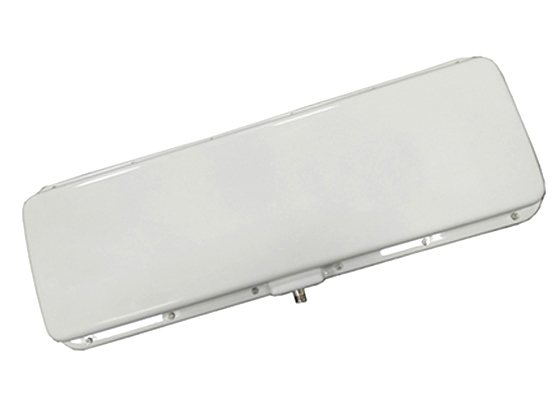
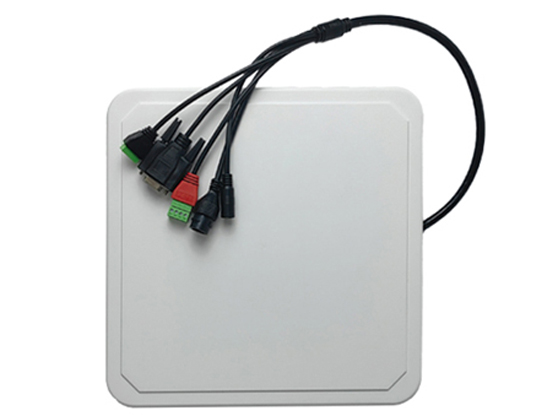
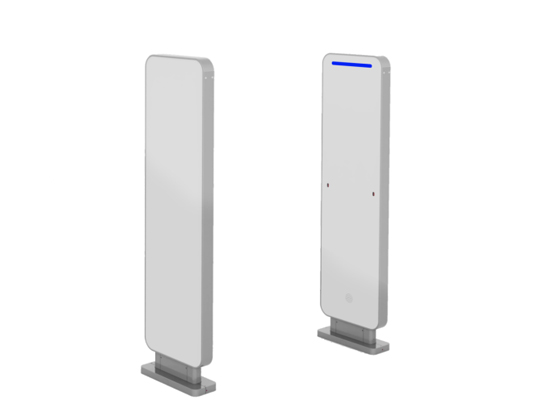
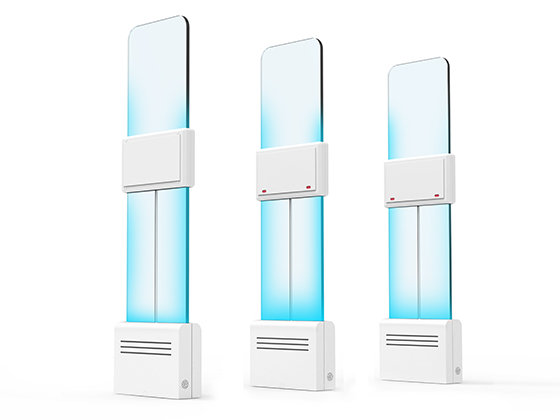
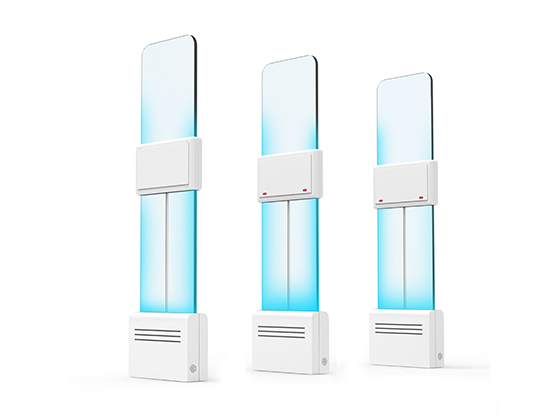
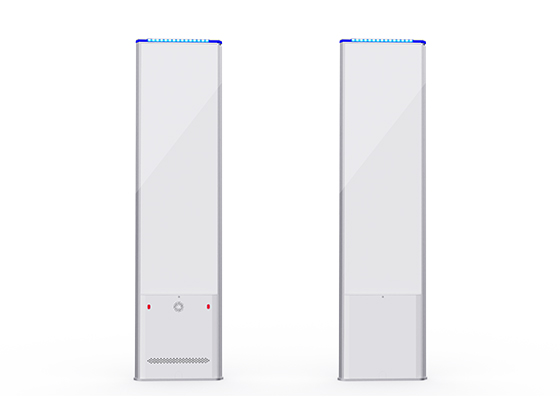
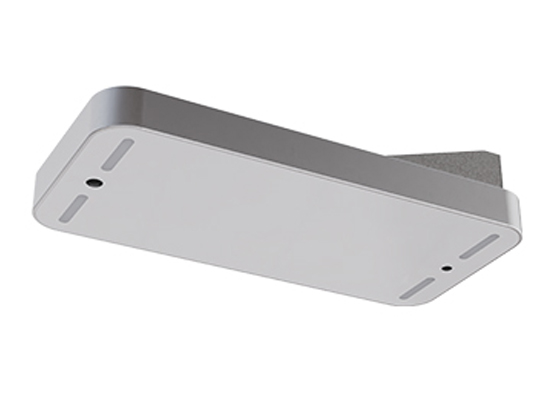
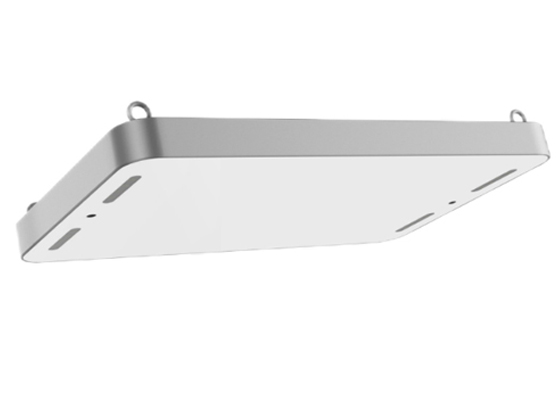
5. Security gate - alarm when unpaid items cross the boundary, precise to SKU. Hardware: pedestal or ceiling-mounted gate (e.g. BOWEI BRD-20, AI phased-array).
6. Data operations - stock, trial and sales data work together to support replenishment and transfer decisions. Hardware: management system / SaaS platform, connected to the store's existing ERP or POS.
BOWEI's role in this loop is the hardware layer: 15 years of RFID antenna and tag R&D, with antennas, gates and readers all developed and produced in-house, serving 2,000+ system integrators. Below we expand on checkout and security - the two scenarios most sensitive to hardware selection.
3. Smart Checkout: 3-Second Settlement Without Reading the Next Customer
The bottleneck of traditional checkout is not payment - it is finding each hangtag and aligning the scanner: 3-5 seconds per item, so a 5-item purchase means about 2 minutes of waiting, and peak-hour queues convert directly into lost sales.
With RFID checkout, the customer drops garments into the sensing zone; the near-field antenna bulk-reads every tag within about 30 cm above the counter, and the system completes price adjustment, membership verification and payment in the same flow. Settlement time drops to under 3 seconds.
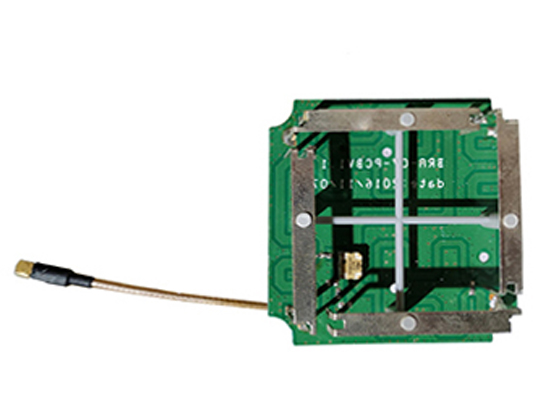
The key selection variable is the antenna's near-field containment. The checkout counter sits where traffic flows cross: if the beam is too wide, the antenna reads already-paid items worn by the next customer in line, causing duplicate pricing and data pollution. The BOWEI BRA-09 uses a 2dBic ultra-wide-beam circular-polarized design that confines the effective read zone to the near-field area above the counter - covering stacked garments in the basket without spilling outward. This containment comes from the antenna pattern design itself, not from reduced power, so the boundary stays stable even as the store's RF environment changes.
4. Security Gates: Pushing False Alarms Below 0.3%
The core challenge of apparel RFID loss prevention is not "reading" - it is "judging". Traditional gates misread stationary tags when a customer pauses to try something on near the door, when goods are displayed close to the frame, or when many people pass together - and once false alarms pile up, staff start ignoring them.
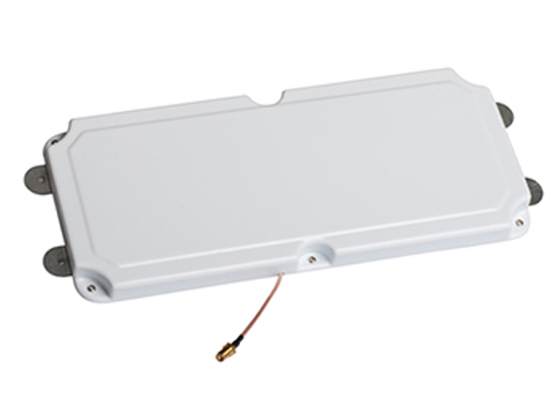
Narrow beam + phase switching. The BOWEI BRA-08 uses a 45° narrow-beam circular-polarized design that locks read energy along the passage depth, keeping displayed goods outside the effective zone. Phase switching provides direction judgment: tags lingering or moving back and forth inside are judged "not exiting" and stay silent; only tags whose trajectory truly crosses the boundary outward trigger the alarm - directly addressing the "trying on at the door" behavior unique to apparel stores.
EAS mode reuse. The RFID tag carries both a security bit and a product bit: the security bit is switched off at checkout and restored on returns, so tags cycle without replacement. Stores with existing EAS systems can run both in parallel - new stock gets RFID, old stock stays under EAS - with a natural 3-6 month transition.
Aisle width of 1.5-2 m. With dual antennas facing each other, an overly wide aisle causes read attenuation along the center axis, while a narrow one causes cross-reading. 1.5-2 m is the empirically converged range for circular-polarized beams in typical metal-shelving apparel stores.
5. Stocktaking: From 3 Hours to 15 Minutes
Manual counting errors are not carelessness - they are the built-in flaw of a sampling process: item-by-item searching, hand recording, after-the-fact entry. A 500 m² store takes 3-4 hours of full staffing, and accuracy typically lands at 80-87%. The errors come from missed counts, wrong counts and entry misalignment - not from real discrepancies between stock and books.
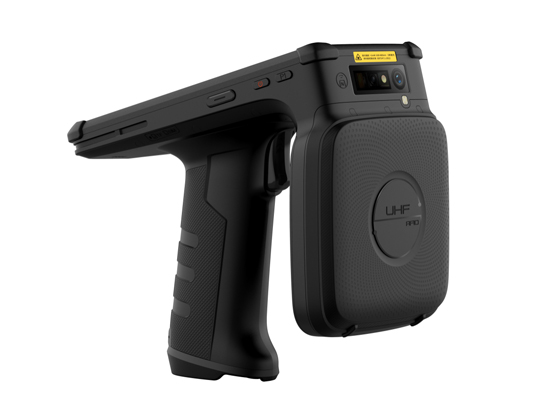
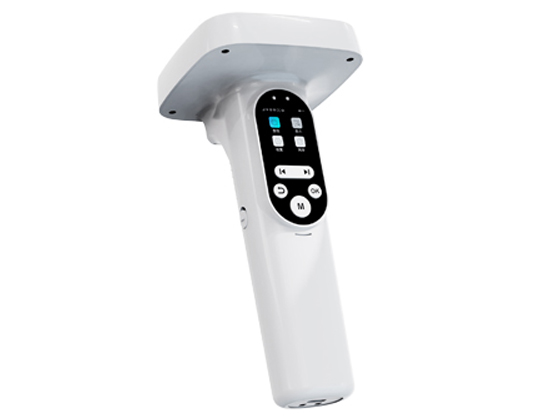
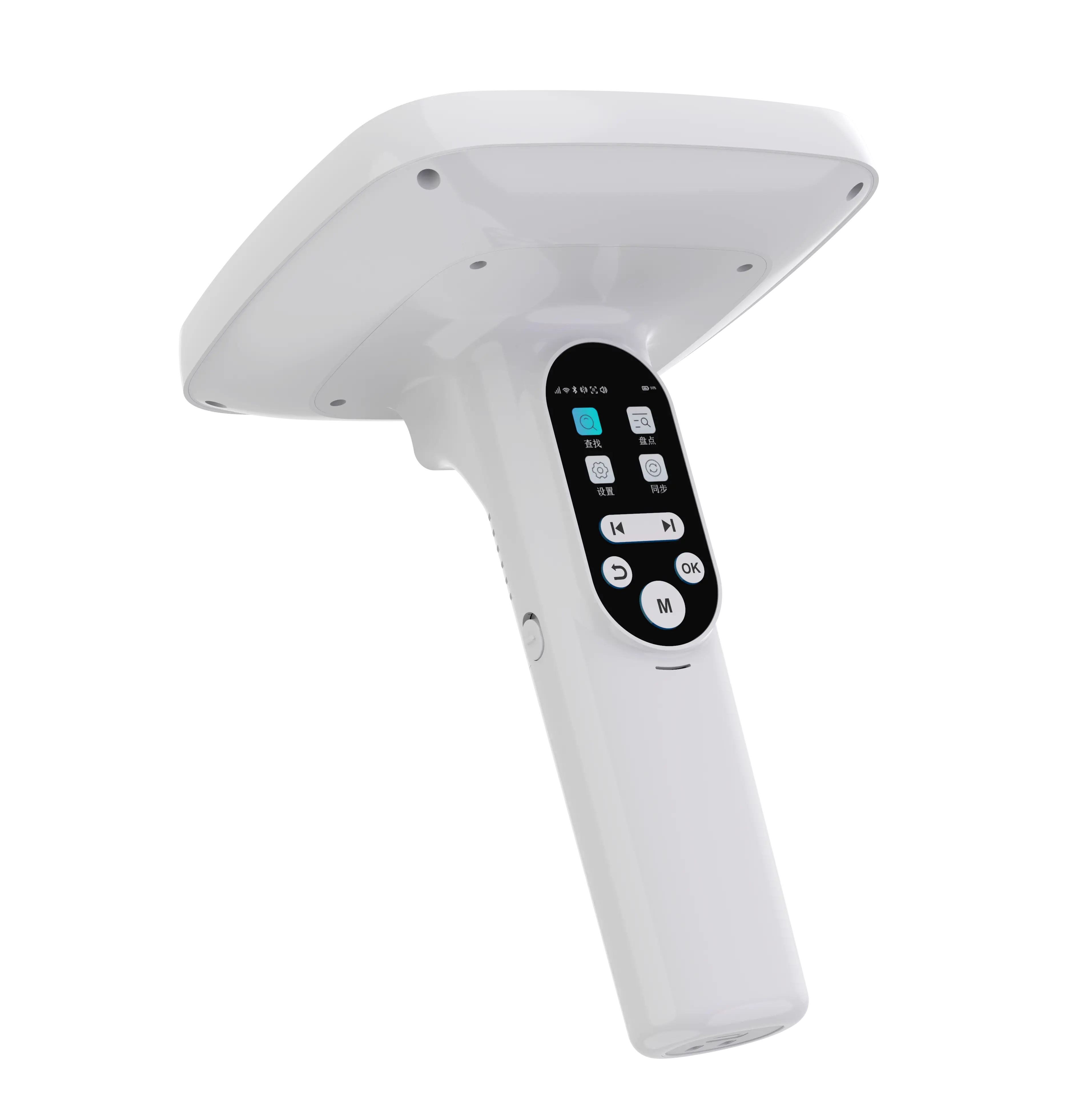
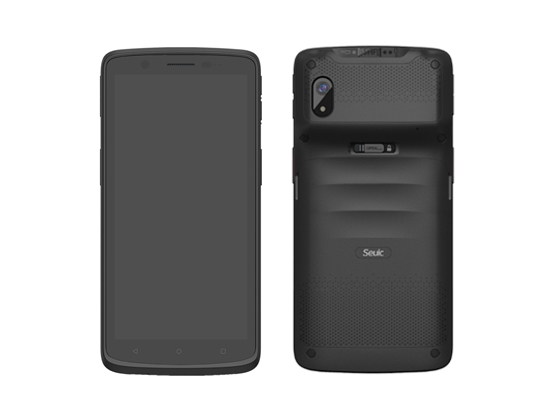
RFID handheld counting changes the job from "item-by-item confirmation" to "zone batch capture": one person with one device walks the aisles at a steady pace while tags are captured at dozens to hundreds per second; a 500 m² store finishes in 15-20 minutes. Accuracy rises above 99% because collection no longer depends on human visual localization and manual transcription - each tag's unique code is bound directly to the SKU.
The bigger win is frequency. Moving from monthly to weekly or even daily counting turns inventory data from "after-the-fact accounting" into a forward-looking decision input: replenishment triggers get sharper, and both stockout losses and overstock shrink. River Island's weekly cycle counts enabled real-time replenishment with 99%+ on-shelf availability while cutting total inventory 30-40%; JD Sports saw on-shelf availability up 12%, replenishment 20% faster, and 95% of missing items located after deployment.
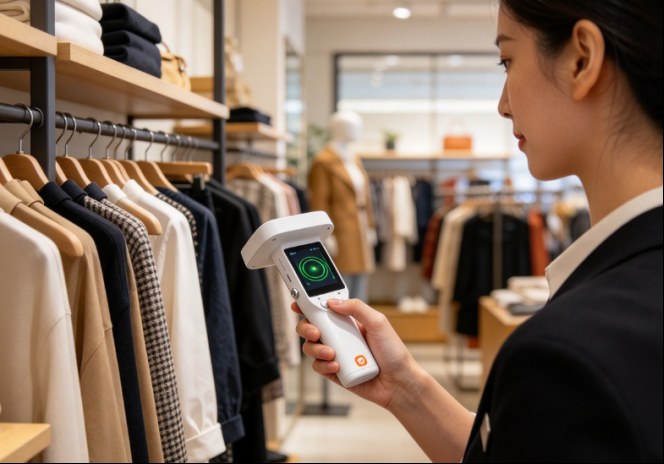
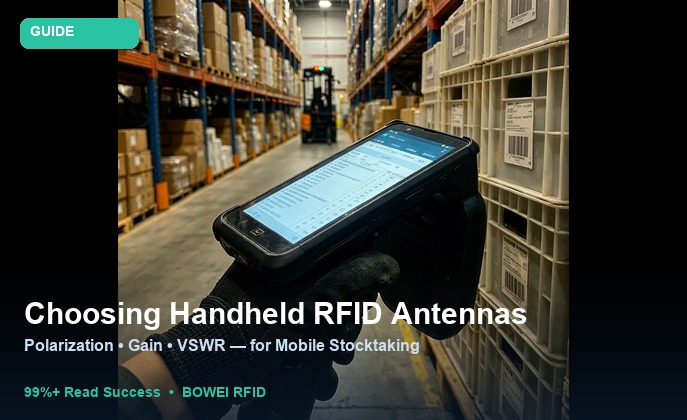
A store associate counts an entire wall of garments in minutes with an RFID handheld.
6. ROI Data from 300+ Stores
Field data from 300+ chain stores delivered with BOWEI's participation:
|
Indicator
|
Before
|
After
|
|
Stocktaking efficiency
|
Baseline
|
10x+ faster
|
|
Shrinkage loss
|
Baseline
|
Down 60%
|
|
Inventory accuracy
|
87%
|
99.5%
|
|
Inventory turnover
|
Baseline
|
+33%
|
|
Gate false-alarm rate
|
-
|
≤ 0.3%
|
|
Payback period (per store)
|
-
|
About 8 months
|
Payback depends on store size, traffic mix, baseline shrinkage and tag cost. The 8-month figure is the estimate for a mid-size store (100-300 m²) with industry-average shrinkage. Small stores often pay back faster because hardware cost is low and shrinkage weighs more; large flagship stores carry fuller configurations and longer payback, but gains in turnover and omnichannel fulfillment are not counted in this static estimate.
7. Configuration by Store Size
|
Store type
|
Recommended configuration
|
Investment (CNY)
|
|
Small (< 100 m²)
|
1 gate channel + 1 handheld
|
20k-40k (≈ USD 2.8k-5.6k)
|
|
Medium (100-300 m²)
|
1-2 gates + 2 handhelds + checkout sensing + fitting sensing
|
50k-100k (≈ USD 7k-14k)
|
|
Large / flagship
|
All six links + smart shelving
|
100k+ (≈ USD 14k+)
|
|
Chain HQ
|
Standard store package + unified data platform
|
Quoted per store count
|
The principle: first close the minimal loop of security - stocktaking - checkout, then extend to fitting-room sensing and smart shelving by category complexity. For small stores whose pain is theft, gate + handheld is the shortest payback path; for medium stores, checkout sensing starts to release peak-hour throughput; flagship-level fitting analytics and smart shelving serve assortment and display optimization - longer-cycle returns that should rest on accurate inventory data first.
8. FAQ
Q1: Will RFID tags affect hangtag appearance or wearing comfort?
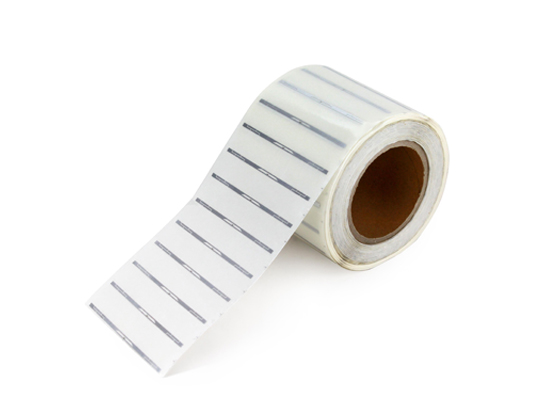
No. In the standard setup the RFID inlay is printed on the same hangtag as the brand logo and barcode - identical to a normal hangtag. For premium or next-to-skin categories, soft labels sewn into the care label are available; read performance on specific fabrics should be tested during selection.
Q2: Down jackets and thick fills absorb UHF signals - how do you guarantee read rates?
Down filling and dense fabrics cause dielectric loss. The engineering answer is two-variable control: on the tag side, use high-sensitivity chips (-18 dBm or better) and position hangtags away from metal zippers and heavy seams; on the reader side, compensate path loss through power tuning and antenna polarization matching. Run blind tests with your actual products rather than trusting vendor read-range claims.
Q3: For stores with existing EAS gates - replace or coexist?
Phased coexistence is the lowest-risk path. New inbound stock carries RFID tags with the security bit written; old EAS-tagged stock stays covered by the existing system. As old stock sells through, RFID gate coverage approaches 100% within 3-6 months, at which point EAS hardware can be removed or kept as redundancy.
Q4: Does deployment require closing the store?
No. Hardware installation (gates, checkout antennas, readers) typically takes 1-2 days, often done overnight. Tag initialization is staggered: new arrivals are tagged at receiving; existing stock is tagged in batches during counting or seasonal rearrangement - no dedicated closure needed.
Scope note: the configurations and data above apply to apparel retail with hangtag labels as the main carrier and thousands to tens of thousands of SKUs per store. Categories with extreme concealment requirements (jewelry, high-end leather goods) and stores dominated by metal shelving with complex RF reflections require on-site electromagnetic survey and antenna simulation - standard configurations cannot be applied directly.
9. Start with a Store Assessment
BOWEI provides full-process hardware solutions and deployment assessment for apparel retail. Antennas, gate readers and RFID equipment are all developed and produced in-house; on-site surveys and category testing can be arranged. Contact BOWEI to schedule your store evaluation.